Want to know about common cable problems and how to avoid them? Well, cables play a pivotal role in every home, office, and industrial project. Good cables keep everything running safely and smoothly whether it is for lighting, appliances or machines. However, most of the time, small cable issues may turn into big issues because we don’t notice them in the early stages. In this blog, we will discuss about common cable problems and simple ways to avoid them.
Every device uses some amount of power. For this reason, before choosing a cable, it is pivotal to know how much voltage and current your equipment needs. If you choose a cable that is too small, it might lead to overheating and increase safety risks. On the other hand, if you choose a cable that is larger than needed, you may have to spend more than necessary. Suraj Cables offers several sizes that can match different load requirements.
Copper cables are mainly used in electrical systems because of their extraordinary conductivity and durability. They are used in residential, commercial and industrial wiring for telecommunications, power distribution, and electronics.
Tray cables are specially designed for installation in raceways, cable types and in industrial environments. It is often used in power distribution and signal transmission systems. They are best known for their rigidity and resistance to environmental factors.
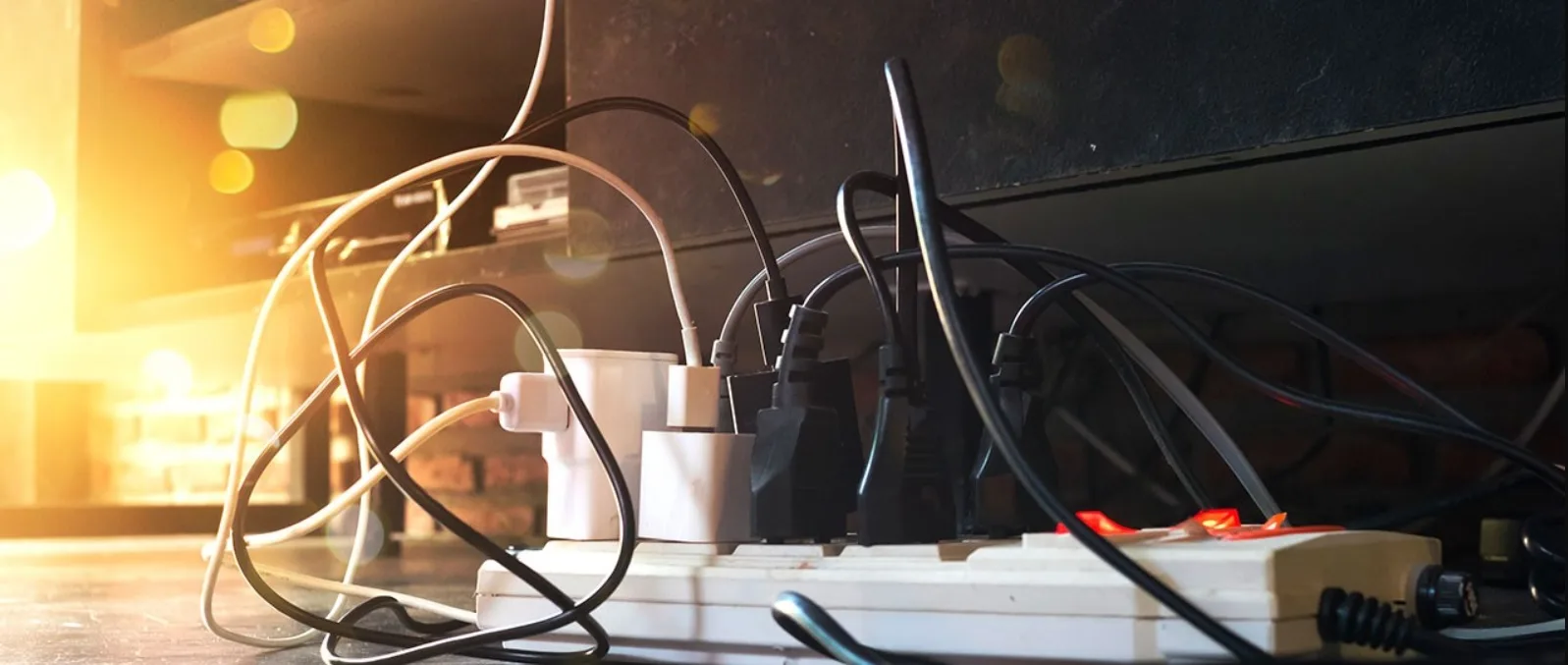
Loose connections are one of the most common problems. It happens when a wire is not fixed tightly in a switch, socket or panel—it creates heat. It further leads to sparking and even damaging the device connected to it. Moreover, it also causes flickering lights and sudden power cuts.
If you want to avoid this loose connection issue, then you need to make sure that the cable ends are fitted properly. While you install the wire check the screws on the terminals that are tightened correctly.
Every cable has the power to handle how much power it can carry. For example, if you connect heavy appliances to a thin wire or not meant for that load can lead to overheating. It can lead to melting the insulation which further leads to creating a fire risk.
In order to avoid this, you need to choose the right cable size based on the load you need. For better guidance, take guidance from an electrician. Suraj Cables helps you with their cables specifically designed for different loads and designed.
Cables often get damaged when they are placed under heavy furniture or near sharp edges. It may lead to cuts, bends and crushed points that weaken the insulation and can uncover the inner wire.
To avoid physical damage, keep your cables away from areas where they can be pressed or stepped on. For this reason, use p[proper cable covers to protect them.
Moisture is also another major factor that can affect wires. If water enters a cable joint or open end—it can lead to shocks and short circuits.
To avoid moisture exposure, you can use waterproof fittings in wet areas such as bathrooms, kitchens, and outside areas.
Don’t use low-quality cables because they don’t last long. Low-quality cable insulation breaks easily. On top of that, they also cannot handle high temperatures.
If you want to avoid this issue, then always choose high-quality and certified cables. For this reason, Suraj Cables offers safe and long-lasting cables for all kinds of electrical projects.
● Common Cable Problems and How to Avoid Them
● How to Choose the Right Cable for Your Electrical Project?
● The Impact of High-Quality Cables on Energy Efficiency – Why Choose Suraj Cables?
● Unraveling the Mysteries of Power Cables: Everything You Need to Know
● Protecting Your Home from Power Surges: The Role of Power Supply Cables
● Electrifying the World: The Power of High Voltage Cables
● Escape from the Flames: How Fire Survival Cables Can Save Your Life
● The Power of Medium Voltage Cables: Igniting Innovation
● Unveiling the Power of Extra High-Voltage Cables: Applications,
Features, and More
● Innovations in Electrical Wiring: Pioneering Sustainable Solutions for the Future
● The Future of Electrical Engineering: Vision and Technological Advancements